
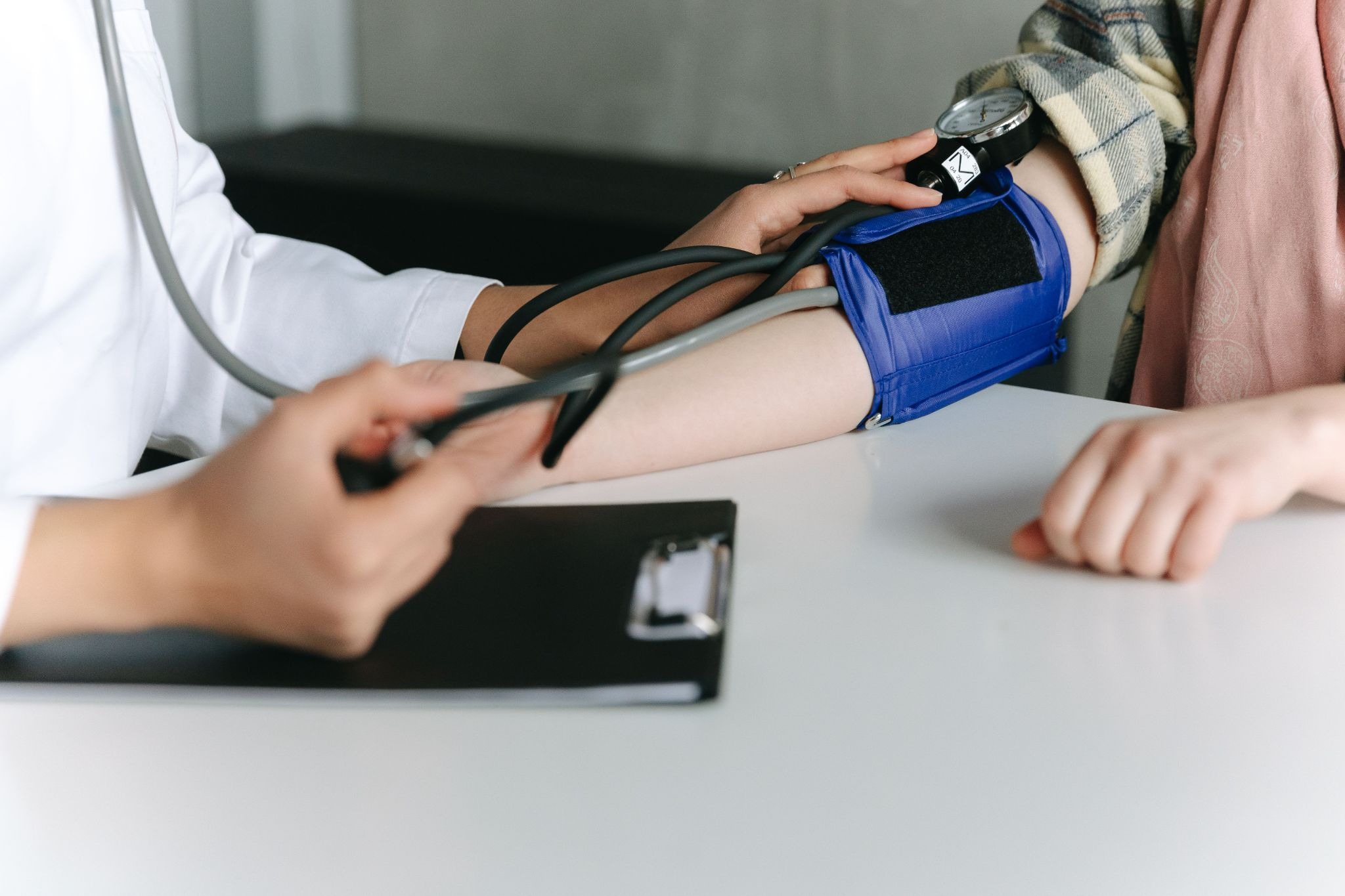
Nearly half of all American adults have high blood pressure.
According to the CDC’s most recent National Health and Nutrition Examination Survey data, nearly 120 million U.S. adults meet the clinical definition of hypertension.
Of those 120 million, only about one in four has their blood pressure adequately controlled. That’s the more concerning statistic.
The truth is, most people who know they have high blood pressure are not managing it well.
High blood pressure can sneak up on you because it can silently damage blood vessels, the heart, the kidneys, and the brain without symptoms for years.
Unfortunately, consequences typically arrive in the form of a serious medical emergency like a heart attack, stroke, or kidney failure. In 2024, high blood pressure was a primary or contributing cause of 680,179 deaths in the United States, according to the CDC.
In this post, our COPC physicians will explain high blood pressure and give you actionable, science-backed tips to manage it.
Disclaimer: This article is for informational purposes only and is not a substitute for medical advice. Consult your physician for guidance specific to your health history and situation.
What Do Your Blood Pressure Numbers Actually Mean?
Blood pressure is recorded as two numbers:
- The top number (systolic) measures the pressure in your arteries when your heart beats.
- The bottom number (diastolic) measures the pressure between beats, when the heart is at rest.
The American Heart Association defines blood pressure in the following categories. Once readings move past elevated, only one number (systolic or diastolic) needs to fall in a range:
| Category | Systolic | Diastolic |
| Normal | Less than 120 mmHg | Less than 80 mmHg |
| Elevated | 120-129 mmHg | Less than 80 mmHg |
| Stage 1 Hypertension (High Blood Pressure) | 130-139 mmHg | 80-89 mmHg |
| Stage 2 Hypertension (High Blood Pressure) | 140 mmHg or higher | 90 mmHg or higher |
| Hypertensive Crisis | Higher than 180 mmHg | Higher than 120 mmHg |
A hypertensive crisis requires immediate medical attention. For everything below that threshold, the goal is consistent monitoring and management.
One important nuance: blood pressure fluctuates throughout the day. It is affected by stress, recent activity, caffeine, time of day, and even anxiety about having your blood pressure taken (a real phenomenon called “white coat hypertension” or “white coat syndrome”). About 30% of patients have home readings that are normal while office readings are high.
A single high reading at a clinic does not necessarily confirm a diagnosis. A pattern of elevated readings across multiple occasions is more indicative of high blood pressure.
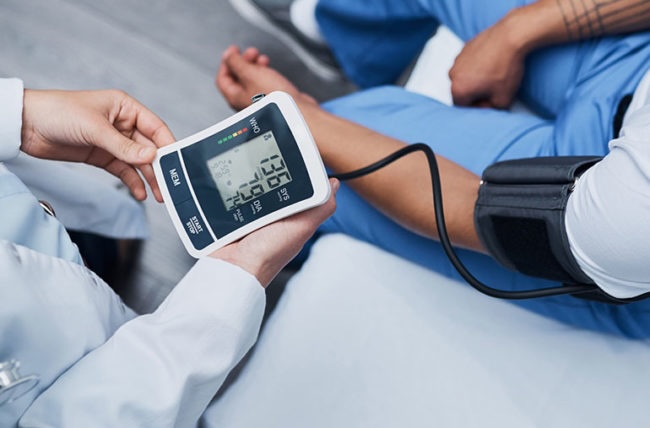
If you are monitoring at home, bring your cuff to your appointment. Home readings taken in a relaxed setting, sitting quietly for at least five minutes before measuring, can give your physician a much clearer picture than a single reading at an office.
Tip: When testing your blood pressure at home, use an upper arm cuff (not wrist) with arms and legs uncrossed and bladder not full in a chair with back support.
What Is Actually Driving Your High Blood Pressure?
For most people with high blood pressure, there is no single identifiable cause. This is called primary (or essential) hypertension, and it develops gradually as a result of age, genetics, and accumulated lifestyle factors.
But for a significant subset of patients, an underlying and often undiagnosed condition is driving the elevation.
Two of the most commonly missed contributors:
Sleep apnea. The connection between obstructive sleep apnea (OSA) and high blood pressure is well-established, yet often goes unrecognized. A 2024 review published in Hypertension Research found that 30 to 50% of hypertensive patients also have OSA. Repeated breathing interruptions during sleep trigger surges in sympathetic nervous system activity and cortisol, which raise blood pressure acutely during sleep and, over time, persistently. Up to 80% of people with resistant hypertension (blood pressure that remains high despite three or more medications) also have OSA. If your blood pressure is not responding to medication the way it should, and you have not been evaluated for sleep apnea, talk with your physician to figure out a solution.
Uncontrolled blood sugar. Elevated blood sugar and high blood pressure frequently coexist and compound each other. Insulin resistance promotes sodium retention and vascular stiffening, both of which elevate blood pressure. Undertreated hypothyroidism can also contribute to elevated blood pressure. Managing one condition without evaluating other compounding conditions can leave part of the picture unaddressed.
5 Lifestyle Changes to Manage High Blood Pressure
If you’re looking to manage high blood pressure, these five lifestyle changes can help achieve a healthier range:
1. Follow the DASH Diet
The Dietary Approaches to Stop Hypertension (DASH) diet is specifically designed around blood pressure management, and it’s clinically proven to be effective.
A 2025 systematic review published in Clinical Hypertension found that the DASH diet reduced systolic blood pressure by an average of 1.29 to 4.6 mmHg and diastolic by 0.76 to 1.1 mmHg compared to a typical diet. A larger 2020 meta-analysis of 30 randomized controlled trials published in Advances in Nutrition found reductions of 3.2 mmHg systolic and 2.5 mmHg diastolic.
A 5 mmHg reduction in systolic blood pressure is associated with roughly a 10% reduction in stroke mortality and a 7% reduction in coronary artery disease mortality, according to a large meta-analysis of blood pressure-lowering trials.
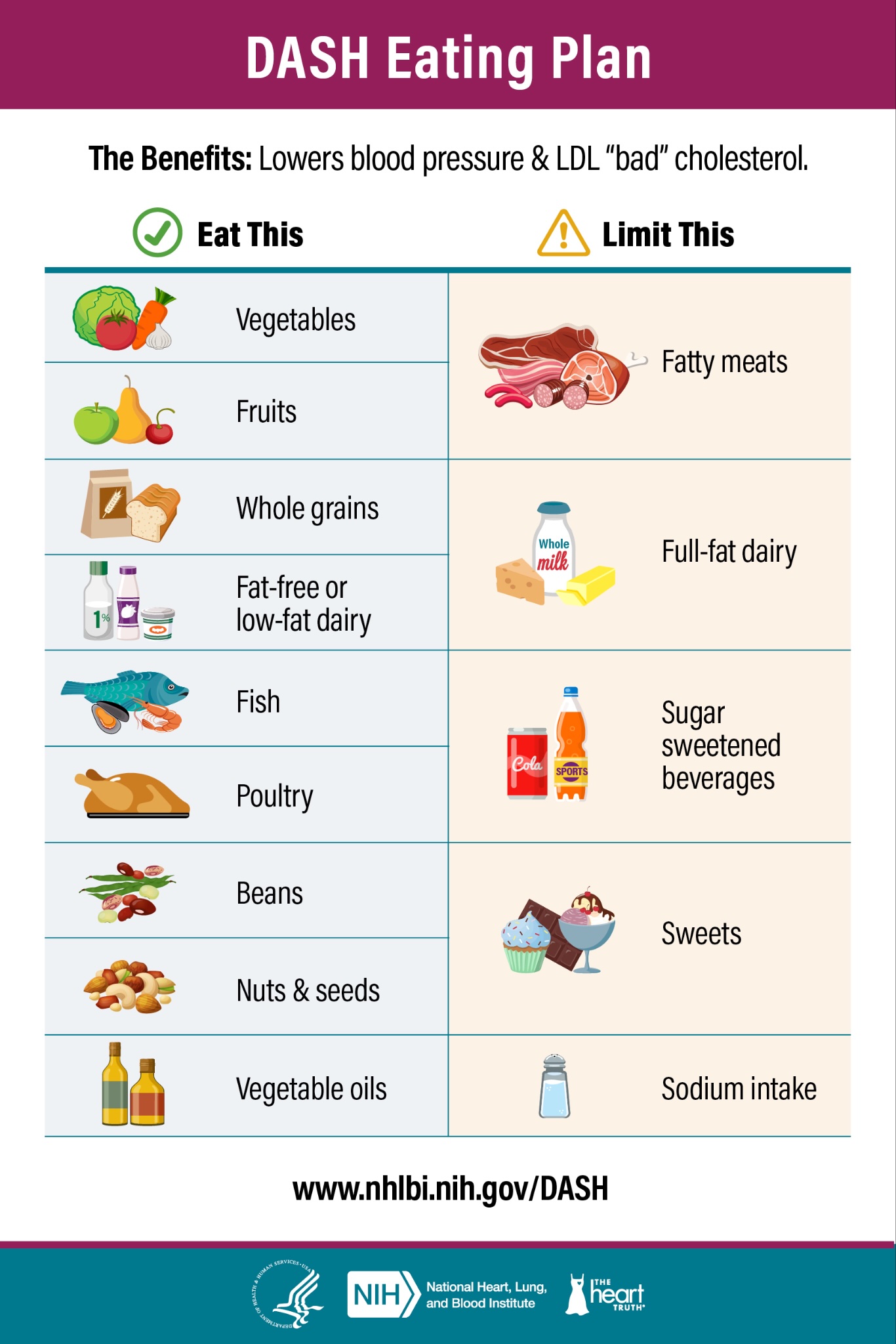
Photo courtesy of NIH.
The DASH diet emphasizes:
- Fruits, vegetables, and whole grains as the foundation
- Low-fat dairy for calcium and potassium
- Lean proteins including poultry, fish, and legumes
- Nuts and seeds in moderate amounts
- Reduced sodium (aiming for 1,500-2,300 mg per day)
- Limited red meat, sweets, and sugary beverages
The most impactful single change within the DASH framework is sodium reduction.
Many Americans consume 3,400 mg or more of sodium daily. Reducing that to 2,300 mg or below can meaningfully lower blood pressure on its own, and combining sodium reduction with the broader DASH diet amplifies the effect.
The majority of dietary sodium for most Americans comes from processed and packaged foods, restaurant meals, bread, canned soups, and deli meats. When buying packaged or processed foods, check the nutrition label for sodium content before purchasing.
2. Follow a Consistent Exercise Routine
Consistent exercise and movement are essential to maintaining a healthy range for your blood pressure.
Aerobic exercise lowers blood pressure by reducing arterial stiffness, improving endothelial function, and reducing sympathetic nervous system activity that contributes to elevated pressure.
Most adults should aim for at least 150 minutes of moderate-intensity aerobic activity per week. Moderate intensity means your heart rate is elevated and you are working, but you could still hold a conversation. This includes activities like brisk walking, cycling, swimming, and dancing.
Strength training two to three times per week is also typically recommended for blood pressure reduction.
You don’t need to push yourself to the max to get noticeable benefits. The important variable is consistency.
Occasional intense exercise does not produce the same sustained blood pressure benefit as regular moderate activity.
If you have been sedentary and your blood pressure is elevated, starting with a consistent walking program is a good first step.
Important note: If you have a history of heart problems or significant cardiovascular risk factors, check with your provider before starting a new exercise regimen. They can help you identify an appropriate starting point.
3. Limit Your Alcohol Consumption
If your blood pressure is elevated and you drink regularly, reducing alcohol consumption is one of the most impactful lifestyle changes you can make.
Alcohol raises your blood pressure, and the more you drink, the more damage it can do.
Limiting alcohol to one drink per day for women and two for men is recommended, but the less you drink, the better for your cardiovascular health.
4. Quit Smoking
Each cigarette smoked causes a temporary spike in blood pressure and heart rate. Over time, smoking damages blood vessel walls, promotes arterial stiffening, and increases cardiovascular risk substantially.
Quitting smoking reduces blood pressure, cardiovascular risk, and cancer risk simultaneously. Medications, nicotine replacement therapy, and behavioral support are all available to help you quit smoking.
5. Optimize Your Sleep Schedule
Poor sleep elevates blood pressure through multiple pathways. As discussed in our blog on immune system support, chronic sleep deprivation activates the sympathetic nervous system, increases cortisol, and promotes inflammation, all of which raise blood pressure over time.
According to the Apple Heart and Movement Study, Ohio participants averaged only 6.65 hours per night, well below the recommended 7 to 9 hours.
If sleep apnea is present, the sleep-blood pressure connection is even greater. Treating OSA with continuous positive airway pressure (CPAP) can reduce both nocturnal and daytime blood pressure in patients with resistant hypertension.
Here are tips to set yourself up for consistently good sleep:
- Set a consistent wake time and work backward to your bedtime.
- Avoid caffeine after 2 p.m.
- Dim screens 60 to 90 minutes before bed, and keep your bedroom cool (between 60-67°F ideally).
- If you wake in the middle of the night and cannot return to sleep within 20 minutes, get up briefly rather than lying awake.
The Importance of Medication in MaNAGING Blood Pressure
Blood pressure medications are among the most evidence-based and life-extending interventions in medicine.
They work by different mechanisms depending on the class. Some relax blood vessels, some reduce the volume of fluid in circulation, and some slow the heart rate. Most are well-tolerated and relatively inexpensive.
What medication does not do is substitute for lifestyle changes. The goal of medication is to bring blood pressure to a controlled range while lifestyle changes address the underlying conditions driving it.
For some patients, successful lifestyle modification can eventually allow for reduced medication doses under physician supervision.
If you are experiencing side effects from a blood pressure medication, report them to your physician rather than stopping the medication on your own. Blood pressure medications can be adjusted, swapped, or combined in ways that eliminate side effects.
The Role of Regular Monitoring and Annual Visits
The only way to know whether your blood pressure is elevated, or that your treatment is working, is to measure it. This is why routine primary care visits are crucial even when you feel healthy.
At a COPC well visit, blood pressure is checked as a standard part of the exam, and your physician can review trends over time rather than relying on a single reading.
This is important, since blood pressure management needs to be individualized because the appropriate level depends on your unique age and risk factors.
COPC’s Laboratory Services can also evaluate kidney function, cholesterol, and blood sugar, all of which are relevant to understanding and managing your blood pressure comprehensively.
If you have elevated blood pressure and also have diabetes, thyroid disease, or another chronic condition, managing blood pressure in isolation from those conditions will likely produce incomplete results.
Talk with your physician to understand the full picture and build a comprehensive treatment plan from there.
For patients whose blood sugar management is part of the equation, COPC’s Diabetes Management Program and Endocrinology Specialists are available for referral when more specialized support is needed.
When to Seek Immediate Care for High Blood Pressure
If your blood pressure is above 180/120 mmHg and you have symptoms such as chest pain, shortness of breath, back pain, numbness or weakness, vision changes, difficulty speaking, or confusion, this is a hypertensive emergency. Call 911 or go to the nearest emergency room immediately. If your reading is that high but you have no symptoms, contact your physician right away.
For urgent but non-emergency blood pressure concerns, COPC’s SameDay Centers can provide same-day evaluation when your regular physician is not immediately available.
Get Your Blood Pressure Checked Today
The importance of getting your blood pressure measured is demonstrated by a 2025 study presented at the American Heart Association’s Scientific Sessions, analyzing NHANES data from 2017 to 2020.
The study estimated that undiagnosed hypertension contributes to approximately 12,400 cardiovascular deaths annually in the United States, with disproportionate impact on young Black men and rural populations.
An estimated 1 in 6 adults with high blood pressure does not know they have it, according to the CDC.
Managing blood pressure is something COPC takes seriously. Central Ohio Primary Care is one of only three health organizations in Ohio to receive the American Heart Association’s highest honors across all three outpatient cardiovascular program categories.
These recognitions reflect a commitment to following the latest evidence-based guidelines for blood pressure, cholesterol, and diabetes management.
If you have not had your blood pressure checked recently, or if you have a family history of hypertension and have not been screened, we highly recommend a routine primary care visit to get a baseline for your blood pressure.
Schedule an appointment with a COPC physician through MyChart or by calling (614) 326-4646.
Sources
- Centers for Disease Control and Prevention, High Blood Pressure Facts and Statistics, June 2026.
- American Heart Association, Abstract 4371536: Unveiling the Silent Killer: Undiagnosed Hypertension Drives 12,400 Annual Deaths, 2025.
- Shiina K. “Obstructive Sleep Apnea-Related Hypertension: A Review of the Literature and Clinical Management Strategy.” Hypertension Research. 2024;47(11):3085-3098.
- Ghanbari F, et al. “Blood Pressure Impact of Dietary Practices Using the DASH Method: A Systematic Review and Meta-Analysis.” Clinical Hypertension. 2025;31:e12.
- Filippou CD, et al. “Dietary Approaches to Stop Hypertension (DASH) Diet and Blood Pressure Reduction in Adults With and Without Hypertension.” Advances in Nutrition. 2020;11(5):1150-1160.
- Law MR, Morris JK, Wald NJ. “Use of Blood Pressure Lowering Drugs in the Prevention of Cardiovascular Disease.” BMJ. 2009;338:b1665.
- Apple Heart and Movement Study, Life’s Essential 8 for Cardiovascular Health: Sleep, July 2025