

Fatigue is one of the most common symptoms our patients describe to us during a visit.
It’s easy to explain fatigue away as something other than a medical symptom:
- “My schedule has been filled recently.”
- “I’ve been under a lot of stress in my personal life.”
- “I haven’t been eating the best lately.”
While lifestyle factors can contribute to fatigue, there could be metabolic factors at play that you’re unaware of.
For people who feel consistently exhausted despite sleeping adequately, the answer just might be a hormonal problem that a blood test can identify, and that treatment can meaningfully address.
Two of the most commonly missed causes of unexplained fatigue are thyroid dysfunction and dysregulated blood sugar.
In this post, our COPC Endocrinology Specialists explain how each one causes fatigue, how to tell them apart, when they overlap, and when it’s time to get a blood test.
Disclaimer: This article is for informational purposes only and is not a substitute for medical advice. Consult your physician for guidance specific to your health history and situation.
Could Your Exhaustion Be a Hormonal Problem?
Most people who are chronically tired rationalize it by being busy, stressed, or getting older. Instead of looking for answers, they grab an extra cup of coffee and push through.
Of all the areas of medicine, fatigue diagnosis, workup and treatment is a frustrating area for patients, and a difficult area for clinicians given the numerous causes and often lack of a good single treatment approach.
This is a major reason why thyroid disease and blood sugar disorders often go undiagnosed for years.
According to the American Thyroid Association, an estimated 20 million Americans have some form of thyroid disease, and up to 60% of them do not know it.
The situation with blood sugar is similar. As detailed in COPC’s blog on early warning signs of type 2 diabetes, an estimated 11 million American adults with diabetes are currently undiagnosed, and more than 115 million have prediabetes, with 8 in 10 not knowing it.
In both cases, the gap between when the condition begins and when it is caught can be years. During that window, fatigue is often the most consistent and earliest symptom, and it goes unaddressed because it’s easy to attribute to other lifestyle factors.
Comprehensively addressing the legitimacy of fatigue, the repercussions of the concern, and diligently working with patients to find a cause and direct them to appropriate care are all required. We’ll discuss how to take action on your fatigue throughout this post.
How Thyroid Problems Cause Fatigue
Let’s first discuss how thyroid problems could be contributing to your fatigue.
The thyroid is a small, butterfly-shaped gland at the base of your neck. Despite its size, it regulates nearly every system in your body, including your heart rate, body temperature, digestion, mood, and most importantly for this discussion, your metabolism.
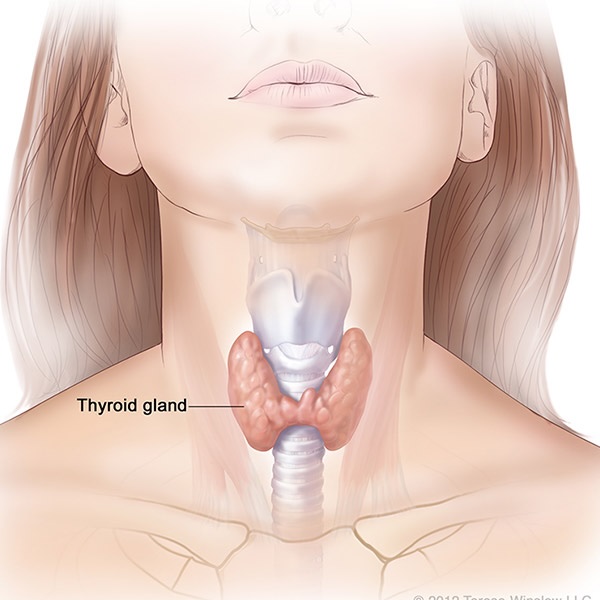
Photo courtesy of Endocrine Specialists, PC.
When the thyroid produces insufficient hormone (a condition called hypothyroidism), your body’s metabolic processes slow across the board.
Cells generate less energy, and everything from digestion to cognition runs at a lower rate. The result is a pervasive, physical heaviness that sleep does not resolve.
The most common cause of hypothyroidism in the United States is Hashimoto’s disease, an autoimmune condition in which the immune system attacks the thyroid gland, gradually reducing its ability to produce hormone.
It develops slowly, often over years, which is precisely why its symptoms are easily attributed to aging or stress.
A 2025 study published in the European Thyroid Journal surveyed 1,251 patients with hypothyroidism who were already on thyroid hormone replacement therapy. Despite being treated, 89% of respondents still met the criteria for abnormal fatigue.
Why is this a significant finding? Because it means that even when hypothyroidism is diagnosed and treated, fatigue can persist, and the reasons why are not yet fully understood. For patients who are undiagnosed, the fatigue can be considerably more pronounced.
Other common symptoms of hypothyroidism that accompany fatigue include:
- Unexplained weight gain despite no change in diet or exercise
- Feeling cold when others around you are comfortable
- Dry skin and brittle hair or nails
- Constipation
- Brain fog, forgetfulness, or difficulty concentrating
- Depression or low mood
- A slowed heart rate
- A puffy face, especially around the eyes
How Blood Sugar Problems Cause Fatigue
Blood sugar fatigue works through a different mechanism than thyroid fatigue, but produces a similar experience.
In a healthy body, insulin moves glucose from the bloodstream into cells, where it is converted into energy.
In insulin resistance, the precursor to type 2 diabetes, cells become less responsive to insulin. Glucose remains elevated in the blood, but the cells are effectively starved of the fuel they need.
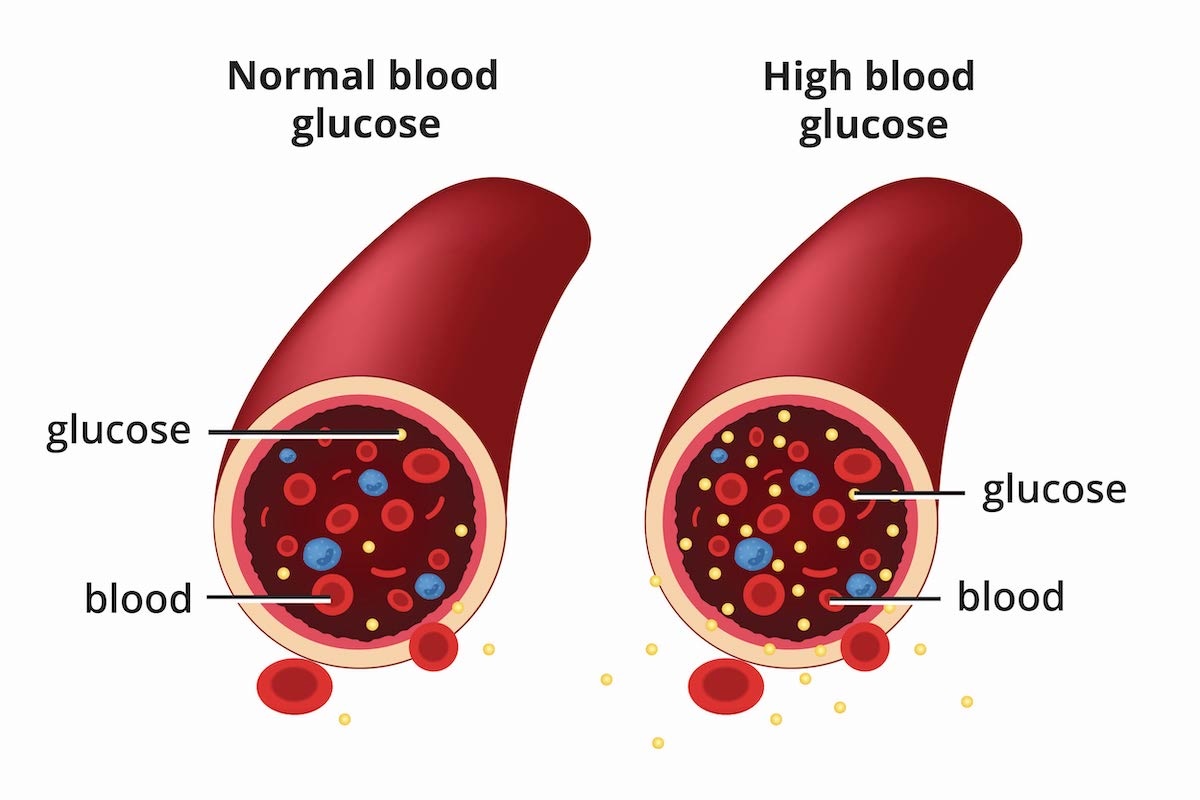
Photo courtesy of the National Institute of Diabetes and Digestive and Kidney Diseases.
The result is persistent, heavy fatigue that is not relieved by eating or resting because the problem is not a lack of food, but the inability to use it efficiently.
Blood sugar fatigue tends to be particularly noticeable after meals, when glucose spikes and then drops.
Many people experience this as an afternoon energy crash so severe it requires caffeine or a nap to function. Over time, as insulin resistance worsens, the fatigue becomes more constant and less clearly tied to meals.
As with thyroid dysfunction, fatigue is one of the most commonly overlooked symptoms of blood sugar dysregulation because it’s so easy to attribute to everything else in a busy life.
Additional symptoms that often accompany blood sugar-related fatigue include:
- Increased thirst and more frequent urination
- Blurry vision that comes and goes
- Tingling or numbness in the hands or feet
- Slow-healing cuts or bruises
- Increased hunger, even shortly after eating
- Brain fog or difficulty concentrating
- Unexplained weight changes
How Thyroid and Blood Sugar Problems Overlap
There’s a tricky component when attributing fatigue to thyroid dysfunction or blood sugar dysregulation because they frequently coexist and actively worsen each other.
“Thyroid disorders are a common finding in type 2 diabetes. Historically, it was thought that type 1 diabetes and hypothyroidism are the main areas where you see these together due to the autoimmune causes of these diseases.
“However, there has been a larger body of literature over the years in which type 2 diabetes and hypothyroidism are seen together,” says Dr. John Paes, a COPC Endocrinologist.
For example, a 2026 study in the International Journal of Clinical Biochemistry and Research measuring fasting blood sugar, postprandial blood sugar, A1C, TSH, and free thyroid hormones across patient groups found that individuals with coexisting diabetes and hypothyroidism had significantly more severe biochemical abnormalities than those with either condition alone.
The two conditions compound each other because hypothyroidism slows metabolism, which can impair glucose regulation and increase insulin resistance. Elevated blood sugar, in turn, can disrupt thyroid hormone production and worsen hypothyroid symptoms, including fatigue. Whether the conditions actually drive each other is still an open question, and some of the overlap may simply reflect two common conditions being caught in the same patients as testing becomes more routine.
When both conditions are present, the symptom overlap makes it difficult to determine which is responsible for what.
Fatigue, weight gain, brain fog, mood changes, and difficulty concentrating are common to both. Managing one without evaluating for the other can leave patients still symptomatic despite being partially treated.
That is, for example, it is standard practice to screen and monitor for thyroid function about every year or so in patients being treated for type 2 diabetes.
Thyroid Fatigue vs. Blood Sugar Fatigue: Is There a Way to Tell Them Apart?
Clinically, thyroid dysfunction and blood sugar dysregulation overlap significantly. But some patterns help you identify which one might be contributing to your fatigue.
Thyroid fatigue tends to be constant and systemic. It is not obviously tied to meals or time of day. It comes with a sense of physical heaviness, slowness, and often cold sensitivity. People with hypothyroidism often describe feeling like they are moving through fog regardless of how much they have eaten or slept.
Blood sugar fatigue tends to be more reactive. It worsens after high-carbohydrate meals and improves temporarily with eating, then crashes again. This is why you might be experiencing an afternoon energy slump after eating lunch. People with blood sugar dysregulation may also notice that their mood and ability to concentrate fluctuate with their energy in a way that feels tied to when they last ate.
The key caveat: these distinctions are useful patterns, not diagnostic tools. Many people with one condition may experience symptoms more characteristic of the other. Many have both. The only reliable way to know what you are dealing with is a blood test.
Thankfully, fatigue related to an endocrine cause often is associated with many other symptoms that help with the likelihood of a specific diagnosis.
“Fatigue with related symptoms of weight loss/gain, polyuria, polydipsia, tremor, palpitations, and other constitutional symptoms are part of the metabolic detective work that is needed for a specific diagnosis,” Dr. Paes explains.
Our COPC endocrinologists aim to link subjective clinical concern to a biochemical, objective cause (more on testing in the next section).
What the Tests Actually Measure
If you come to your physician or endocrinologist with fatigue, here is what you can expect to be evaluated:
For Thyroid Function
The primary screening test is a TSH (thyroid-stimulating hormone) test. TSH is produced by the pituitary gland and signals the thyroid to produce more hormone. When the thyroid is underactive, TSH rises.
According to the American Thyroid Association, an elevated TSH combined with a low Free T4 confirms primary hypothyroidism originating in the thyroid gland itself. If TSH is elevated but Free T4 is still normal, this is called subclinical hypothyroidism and may or may not cause symptoms.
In some cases, thyroid antibody testing (specifically TPO antibodies) is also ordered to determine whether Hashimoto’s disease is the underlying cause.
For Blood Sugar
The primary tests are a fasting glucose test and/or a hemoglobin A1C (A1C) test. Fasting glucose measures your blood sugar after you have not eaten for at least eight hours.
A1C measures your average blood sugar over the past two to three months, making it a more stable indicator that is not affected by what you ate the day before the test.
Both are included in standard metabolic panels ordered at routine physicals. This is one reason why keeping up with annual well-visits really matters. These tests are often run routinely, and abnormal results can be caught before symptoms become obvious.
Who Should Ask About Getting Tested?
Both thyroid and blood sugar conditions are underdiagnosed in part because people do not know when to ask. Below is a practical guide you can use to assess whether you should get tested.
Consider asking your doctor to check your thyroid if you:
- Are a woman (women are five to eight times more likely than men to develop thyroid disease, according to the American Thyroid Association)
- Are over 60 (thyroid disease prevalence reaches 15.4% in adults over 60, per NHANES data)
- Have a family history of thyroid disease
- Have another autoimmune condition (type 1 diabetes, rheumatoid arthritis, lupus)
- Are pregnant or recently postpartum
- Have been treated for thyroid disease previously
- Are experiencing persistent, unexplained fatigue alongside any of the symptoms listed above
Consider asking your doctor to check your blood sugar if you:
- Are 35 or older (the American Diabetes Association recommends screening starting at age 35)
- Have a BMI of 25 or higher
- Have a family history of type 2 diabetes
- Have high blood pressure or abnormal cholesterol
- Have a history of gestational diabetes or PCOS
- Are sedentary
- Are experiencing persistent fatigue alongside increased thirst, frequent urination, or blurry vision
If you meet the criteria above for thyroid and blood sugar, ask about both. Given the overlap between these conditions and their tendency to coexist, evaluating one without the other may leave the full picture incomplete.
5 Questions to Ask Your Physician About Thyroid/Blood Sugar Fatigue
If you are going to a primary care appointment and want to raise the possibility that your fatigue may be hormonal, here are specific questions we recommend asking:
- “Could my fatigue be related to my thyroid or blood sugar levels?”
- “When did you last check my TSH and A1C?”
- “I have been tired for [X months/years] and sleep doesn’t seem to help. Can we run a metabolic panel?”
- “I have a family history of thyroid disease/diabetes. Should I be screened?”
- “I’ve noticed [specific accompanying symptom]. Could that be related to my energy levels?”
What COPC Endocrinology Offers
COPC Endocrinology Specialists, located in Westerville, OH, provides consultation and treatment for thyroid conditions, diabetes, and other endocrine disorders in adults.
The practice works closely with Certified Diabetes Educators in a dedicated classroom within the practice, and the team includes physicians specializing in endocrinology and lipidology.
Appropriate reasons to be referred to COPC Endocrinology for thyroid-related concerns include:
- Hyperthyroidism (overactive thyroid), with TSH and Free T4 labs completed within the month prior to referral
- Thyroid nodules with prior thyroid ultrasound completed
- Thyroid cancer follow-up or new diagnosis
- Pituitary-related conditions affecting thyroid function
For diabetes and blood sugar concerns, referrals to COPC Endocrinology are typically appropriate when:
- A1C is greater than 9%
- A1C remains between 7% and 9% despite the primary care physician’s best management efforts
- The patient requires complex insulin regimens
- Gestational diabetes requires insulin management
COPC Endocrinology treats a broad range of endocrine conditions beyond thyroid and blood sugar, including hyperparathyroidism, male hypogonadism, pituitary disease, and more. For a full list of appropriate referrals and required labs, visit the Endocrinology Specialists page.
Most thyroid and blood sugar concerns are managed at the primary care level first. If you do not yet have a COPC primary care physician and are experiencing persistent fatigue, we recommend scheduling a visit with one first.
For patients whose diabetes management is already underway, COPC’s Diabetes Management Program offers one-on-one education, blood glucose monitoring guidance, nutrition counseling, and retinopathy screening, all in coordination with your COPC physician.
You Don’t Have to Keep Living With Unexplained Fatigue
Fatigue that does not improve with rest is a signal that something else might be at play other than stress and a busy schedule.
Both thyroid dysfunction and blood sugar dysregulation are common and treatable, and both can be identified through a simple blood test that most patients can get at a routine physical.
Schedule an appointment with a COPC physician through MyChart or by calling (614) 326-4646 to talk with a physician about your fatigue and whether a hormonal workup makes sense for you.
Sources
- Grixti L, et al. “Prevalence and Severity of Fatigue in Treated Hypothyroidism: Results of a UK Survey.” European Thyroid Journal. June 2025. https://etj.bioscientifica.com/view/journals/etj/14/3/ETJ-25-0044.xml
- American Thyroid Association, Thyroid Function Tests and General Information/Press Room
- ScienceDirect / NHANES 1999-2018, Prevalence and Trends of Thyroid Disease Among Adults
- Jamatia et al. “Biochemical Relationship Between Diabetes and Hypothyroidism.” International Journal of Clinical Biochemistry and Research. 2026;13(1):8-13. https://ijcbr.in/archive/volume/13/issue/1/article/26656/pdf (coexisting conditions produce significantly worse biochemical outcomes)
- Centers for Disease Control and Prevention, A U.S. Report Card: Diabetes by the Numbers
- Centers for Disease Control and Prevention, National Diabetes Statistics Report, 2023 data
- American Diabetes Association, 2. Diagnosis and Classification of Diabetes: Standards of Care in Diabetes — 2026