

We see the same pattern every September in Central Ohio. Kids go back to school, the air gets crisper, and within weeks, our waiting rooms fill up with patients who have colds, the flu, RSV, or COVID-19.
While we can predict when virus season hits, we can’t predict how prepared your immune system will be when it arrives.
The good news is that immune health is not entirely out of your control. There are things you can do right now, before the season peaks, that affect how well your body handles what might come.
Our COPC physicians have rounded up actionable tips and information to know as fall begins.
Disclaimer: This article is for informational purposes only and is not a substitute for medical advice. Consult your physician for guidance specific to your health history and situation.
A Brief Tutorial on Your Immune System
Before getting into what supports your immune system, it helps to understand what you are supporting.
Your immune system is a complex network of organs, cells, and proteins working together to detect and neutralize threats.
According to the Cleveland Clinic, its primary functions include keeping harmful germs from entering your body, destroying invaders and infected cells, containing damage caused by infection, and adapting to new threats over time.
Each habit we discuss in this post either gives your immune system better raw materials to work with or reduces the burden it is operating under.
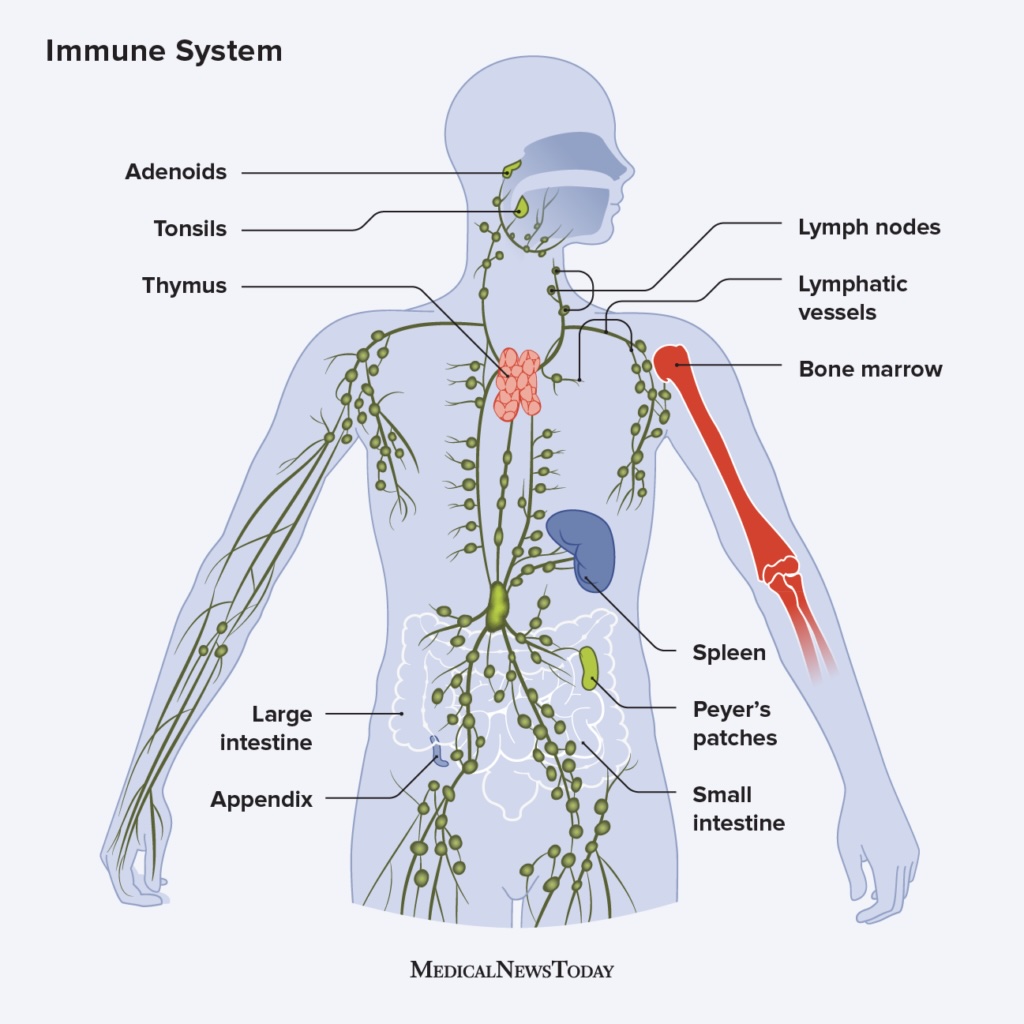
Photo courtesy of Medical News Today.
6 Physician-Approved Tips to Support Your Immune System This Fall and Winter
Here are tips straight from our COPC physicians that will help support your immune system this fall and winter season:
1. Get Your Fall Vaccines by the End of October
Getting your fall vaccines is the single most impactful thing most people can do before respiratory virus season. See below for important information about the current vaccine landscape:
The 2026-2027 flu vaccine is different from last year’s. On March 13, 2026, the FDA updated all three virus components of this season’s flu vaccine, including a specific change to protect against the influenza A(H3N2) subclade K virus that circulated widely during the 2025-2026 season. That strain spread widely last year and was not well-matched by the previous vaccine. This year’s formulation was updated specifically in response.
The ideal window to get vaccinated is September through October. It takes about two weeks for your body to build full antibody protection after receiving a flu vaccine, and flu season typically peaks between December and February.
On the COVID-19 vaccine: The 2025-2026 COVID-19 vaccine was targeted to the LP8.1 variant. For the 2026-2027 season, the FDA has selected the XFG variant for the updated formulation. CDC recommends COVID-19 vaccination for all adults 18 and older. For children 6 months to 17 years, it is recommended for those who are moderately or severely immunocompromised, and available to all others through shared decision-making with their physician. Adults 65 and older may need two doses.
What about the 2026 CDC schedule change? Earlier this year, the CDC moved six vaccines on the childhood immunization schedule, including the flu vaccine, from “recommended for all” to a shared decision-making category. This has caused confusion for some patients. COPC’s position is that, along with 12 major health organizations, including the American Academy of Pediatrics and the American Academy of Family Physicians, COPC continues to recommend the flu vaccine for all patients who are eligible. The change in CDC categorization does not change our clinical recommendation. All vaccines remain available at COPC and are fully covered by insurance.
Who else should be thinking about additional vaccines this fall:
- RSV vaccine is recommended for adults ages 75 and older, adults ages 50-74 at increased risk of severe RSV illness, pregnant women (between 32 and 36 weeks), and infants in their first 8 months of life entering their first RSV season.
- Pneumococcal vaccine (Pneumovax or Prevnar) for adults 50 and older, or younger adults with certain chronic conditions. A newer formulation called Capvaxive is now available alongside Pneumovax and Prevnar.
- Tdap or Td booster if you are due (every 10 years for most adults).
If you are not sure which vaccines you are due for, your COPC physician can review your immunization history through MyChart and tell you exactly what is recommended for your age, health status, and risk factors.
2. Sleep Is Your Superpower
If you are not sleeping enough, nothing else on this list will compensate for it.
According to the Apple Heart and Movement Study, Ohio participants averaged only 6.65 hours a night, well below the 7 to 9 hours recommended for adults. That gap has measurable consequences for immune function.
During sleep, your body produces and activates T cells, a type of white blood cell that identifies and destroys infected cells.
Some T cells form what is called immune memory, the mechanism that allows your body to respond faster to a threat it has seen before. This is also how vaccines work on a biological level: they train your immune system during a period when that memory-forming capacity is active.
Research published in Pflügers Archiv: European Journal of Physiology found that the sleep-immune system relationship is bidirectional: sleep deprivation impairs immune response, and immune activation during illness alters sleep, a cycle that helps explain why you feel so tired when you are sick.
Regularly sleeping fewer than 7 hours also increases risk for conditions that compromise immune function over time, including diabetes, high blood pressure, heart disease, and depression.
Here are practical steps you can take to ensure you get a good night of sleep regularly:
- Set a consistent wake time and work backward to determine your bedtime. A steady schedule keeps your body clock on track, which makes it easier to fall asleep and wake up.
- Avoid caffeine after 2 p.m. Afternoon caffeine can delay sleep onset even when you feel tired. This includes coffee, tea, energy drinks, and some sodas.
- Dim screens and overhead lights 60 to 90 minutes before bed. Blue light suppresses melatonin production.
- Keep your bedroom cool (ideally 60°F-67°F). Core body temperature needs to drop slightly for sleep onset, and a cooler room accelerates that.
- If you wake in the middle of the night and cannot fall back asleep within 20 minutes, get up briefly. Lying awake in bed trains your brain to associate the bed with wakefulness.
3. Fuel Your Immune System With the Right Nutrients
A diet rich in fruits, vegetables, and lean proteins provides the vitamins and minerals your immune system depends on. This includes vitamins A, B, C, D, and E, plus zinc and iron.
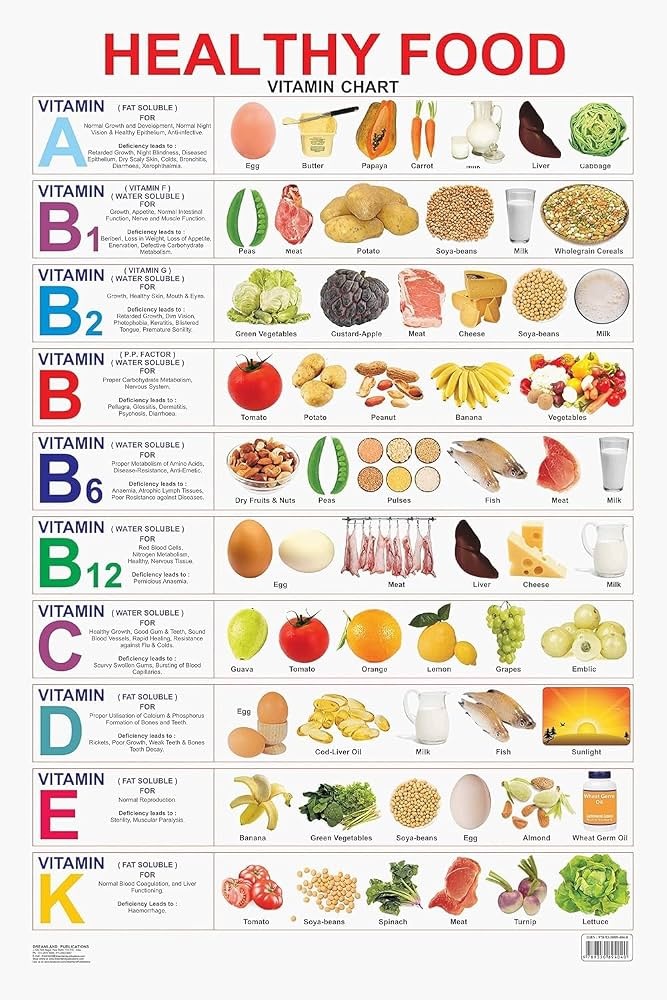
Photo courtesy of Dreamland Publications.
Vitamin D is the one most worth paying attention to. It plays a direct role in activating the immune response, and deficiency can be widespread, particularly in Ohio, where limited sun exposure from October through April makes food sources more important.
Research has associated low vitamin D levels with increased susceptibility to respiratory infections. Food sources include fatty fish, egg yolks, and fortified dairy.
If you have questions about your vitamin D levels, talk with your physician. A simple blood test at COPC’s Laboratory Services can check them.
A note on supplements: Most people in the U.S. get adequate nutrients from food and do not need a multivitamin or supplement routine. Supplements can help fill specific documented gaps, particularly for pregnant women, older adults, and those with chronic conditions, but they cannot replicate the full benefit of a nutrient-rich diet. High-dose supplements of some vitamins can also interfere with medications or cause harm. Always talk with your doctor before starting a new supplement.
Foods worth adding to your fall rotation:
- Citrus fruits, bell peppers, and leafy greens (vitamin C)
- Carrots, sweet potatoes, and winter squash (vitamin A)
- Salmon, egg yolks, and fortified dairy (vitamin D)
- Nuts, seeds, and whole grains (zinc and vitamin E)
- Lean poultry, beans, and lentils (iron and protein)
4. Prioritize Consistent Exercise Rather Than High-Intensity Movements
Not all exercise supports immune function equally.
Research published in the Journal of Sport and Health Science found that consistent, moderate-intensity physical activity provides the strongest long-term immune benefits by helping immune cells circulate efficiently and regulating inflammation.
The same research found that prolonged high-intensity exercise without adequate recovery can temporarily suppress immune function, which is why elite athletes are often more susceptible to illness during heavy training periods.
For most adults, the exercise target is 150 minutes of moderate activity per week, roughly 30 minutes on most days.
Moderate means your heart rate is elevated and you are working, but you could still hold a conversation. This includes brisk walking, cycling, swimming, light hiking, and similar activities.
Adding in strength training sessions at least two days a week alongside aerobic activity is generally recommended.
If you have been sedentary, a modest, consistent increase in movement will do more for your immune health than occasional intense workouts.
If you already exercise intensely, prioritizing recovery and sleep during respiratory virus season is particularly important.
Note: Colder weather and busy schedules often throw people off their exercise routines. When it comes to exercise, we like to tell patients that anything counts. Even if it’s just getting out of the house to walk around the block and come back home, it helps. Start small, start somewhere, and keep moving.
5. Keep Your Stress Levels in a Healthy Range
It’s helpful to think of a car when understanding how chronic stress affects the immune system.
If you’re riding your car roughshod all the time and not getting regular maintenance, it’s going to break down more easily and be more difficult to fix. That’s similar to what chronic stress does to the body and immune system; it wears you down. You get sick more easily, and you don’t bounce back as fast when recovering.
It’s a very common phenomenon, too: studies have shown that stress may be prevalent in some form in 60-80% of primary care visits.
When you experience stress, your body produces cortisol to regulate inflammation. This is useful in short bursts. Chronic stress that comes from demanding jobs, financial pressure, caregiving, and modern life maintains elevated cortisol levels over time.
This chronically elevated cortisol progressively reduces the number and effectiveness of white blood cells that fight infection, measurably increasing susceptibility to illness.
Some practical tips to help manage your stress include:
- Brief outdoor walks (even 10 minutes reduces cortisol levels measurably)
- Diaphragmatic breathing exercises (which activates the parasympathetic nervous system) and meditation practices
- Social connection (isolation is a significant immune stressor)
- Consistent sleep (which stress also disrupts, completing a destructive cycle)
Remember: Consistent stress-reduction habits compound over weeks and months in the same way that diet and exercise do. Start small, and build from there.
6. Always Practice Good Hand Hygiene
Respiratory viruses do not only spread through the air. Many, including RSV and some flu strains, survive on surfaces for hours and enter the body when you touch your eyes, nose, or mouth after contact with a contaminated surface.
The CDC recommends washing hands with soap and water for at least 20 seconds, particularly after being in public spaces, before eating, and after coughing, sneezing, or blowing your nose. When soap and water are not available, a hand sanitizer with at least 60% alcohol is effective.
High-contact surfaces like phones, keyboards, steering wheels, door handles, and remote controls should be sanitized frequently.

“The most important thing to know before cold and flu season is what my mom has always told me ever since I was a kid. Wash your hands and don’t touch your face!” – Dr. Haley Bittner, COPC
What to Do If You Get Sick Anyway
Even if you follow all of the above tips, respiratory illness during fall and winter can still occur.
For most healthy adults, mild to moderate cold and flu symptoms can be managed at home with rest, hydration, and over-the-counter symptom relief. Fever, body aches, and fatigue are signs your immune system is actively working, not necessarily signs that something is wrong.
Contact your COPC physician or use MyChart messaging if:
- Symptoms are severe or worsening after several days rather than improving.
- You have a high fever (above 103°F) that does not respond to medication.
- You have significant shortness of breath or chest pain.
- You are in a high-risk group (65 or older, immunocompromised, chronic lung or heart condition, pregnant) and develop flu-like symptoms, as antiviral medications like Tamiflu are most effective when started within 48 hours of symptom onset.
- You are unsure whether your symptoms warrant a visit.
COPC’s SameDay Centers are designed for exactly this kind of acute illness. If your regular physician is not available and you need to be seen, SameDay is the right first stop before an urgent care or emergency room for most respiratory illness presentations.
A Note on Chronic Conditions and Immune Health
For patients managing diabetes, thyroid disease, heart disease, COPD, or other chronic conditions, immune health during respiratory virus season carries additional weight.
Poorly controlled blood sugar, for example, directly impairs immune function. Elevated glucose reduces the effectiveness of white blood cells, slows wound healing, and increases susceptibility to respiratory infection.
This is one reason getting the flu vaccine is especially important if you have diabetes, as flu can cause significant blood sugar disruption, and the illness itself carries a higher risk of complications in this population.
Similarly, thyroid dysfunction, particularly undiagnosed or undertreated hypothyroidism, can impair immune regulation and increase fatigue in ways that compound the effects of seasonal illness.
If you have a chronic condition and want to understand how it affects your immune health specifically heading into fall, let your COPC physician know at your next visit.
Our Diabetes Management Program and Endocrinology Specialists are also available for patients who need more specialized support.
The Fall And Winter Checklist to Support Your Immune System
If you do nothing else before respiratory virus season arrives, do these:
- Schedule your flu shot before the end of October. COPC offers flu vaccines at your regular practice. Call (614) 326-4646 or schedule through MyChart.
- Ask your physician about COVID-19 and RSV vaccines at the same visit, particularly if you are 65 or older or have a chronic health condition. RSV vaccination is recommended at 75 or starting at 50 if you have certain health conditions.
- Check your sleep. If you are consistently getting fewer than 7 hours, start addressing it with best practices before virus season.
- Review your blood sugar or thyroid management if you have a chronic condition. Optimized baseline health heading into fall can affect how your body handles illness.
Schedule an appointment or check your vaccine status through MyChart.
Sources
- Cleveland Clinic, Immune System: How It Works and How to Keep It Strong
- Centers for Disease Control and Prevention, 2026-2027 Flu Season, April 2026
- Centers for Disease Control and Prevention, 2026-2027 COVID-19 Vaccination Guidance for People Who Are Not Immunocompromised
- Centers for Disease Control and Prevention, When and How to Wash Your Hands, March 2024
- Centers for Disease Control and Prevention, RSV Vaccine Guidance for Adults, February 24, 2026
- U.S. Food and Drug Administration, Vaccines and Related Biological Products Advisory Committee (VRBPAC) Meeting, May 28, 2026 (XFG strain selected for 2026-2027 COVID-19 vaccine composition)
- Apple Heart and Movement Study, Life’s Essential 8 for Cardiovascular Health: Sleep, July 2025 (average Ohio sleep duration 6.65 hours)
- Besedovsky L, Lange T, Born J. “Sleep and Immune Function.” Pflügers Archiv: European Journal of Physiology. 2012;463(1):121-137
- Nieman DC, Wentz L. “The Compelling Link Between Physical Activity and the Body’s Defense System.” Journal of Sport and Health Science. 2019;8(3):201-217
- Nerurkar A, Bitton A, Davis RB, Phillips RS, Yeh G. “When Physicians Counsel About Stress: Results of a National Study.” JAMA Internal Medicine. 2013;173(1):76-77.