
It’s 2 a.m, your child is warm, and the thermometer reads 102.8°F. You’re trying to decide whether to wait or head to urgent care, all while being half-asleep and scrolling through your phone aimlessly to try to find answers.
Many parents have been in this situation. We’ve seen it several times over our 30+ years as a primary care provider in Ohio.
The good news is that most of the time, a high fever won’t be serious enough for an ER visit. But not always.
Knowing which signs actually matter, and which ones don’t, can save you an unnecessary trip to the ER and help you catch the cases that genuinely need one.
Here’s what you should know about whether your child’s fever is serious enough to go to the doctor, straight from our COPC pediatricians.
The Signs That You Should Go to the ER Now
Before getting into temperature thresholds, how your child looks and acts often matters more than the number on the thermometer.
If your child is showing the following symptoms, head to the emergency room or call 911 immediately:
- Difficulty breathing or breathing very fast
- Extreme lethargy or unresponsiveness – they’re difficult to wake, or once awake, they’re not engaging normally
- A stiff neck – this can be a sign of meningitis
- A purple or red spotted rash that doesn’t fade when you press on it (this can indicate a serious bacterial infection)
- Continuous, inconsolable crying in an infant
- A seizure
- Signs of severe dehydration: no tears when crying, no wet diaper in 8 hours, extremely dry mouth, sunken eyes
- Fever that returns after being fever-free for 24 hours
- Your gut tells you something is seriously wrong. We hear this from parents all the time. Follow your gut. You know your child.
What Actually Counts as a Fever?
A fever is generally defined as a rectal, ear, or forehead temperature of 100.4°F (38°C) or higher. Oral temperatures of 100°F or higher are also typically considered a fever.
A few things to keep in mind:
- How you measure a fever matters. Rectal temperatures are the most accurate, especially in children under 5. Oral temperatures are reliable for children 4 and older. Ear and underarm readings are less accurate and should be interpreted with caution. We typically don’t recommend a specific brand when it comes to thermometers.
- Temperature fluctuates throughout the day. Body temperature is naturally lower in the morning and higher in the afternoon. A reading that looks elevated in the afternoon may be less alarming than the same number at 6 a.m.
- “Feeling warm” isn’t enough. We all likely remember our parents feeling our forehead to see if we felt “warm” when we were young. While this can help you gauge a fever, you should take an actual temperature reading when you suspect a fever. Your pediatrician will almost always ask for a specific number, and saying “they felt warm” makes it harder to give you accurate guidance.
The Biggest Fever Factor? Your Child’s Age
The single biggest factor in deciding how seriously to treat a fever is your child’s age.
Younger children, especially newborns and young infants, have immune systems that are not yet fully developed, which means even a low-grade fever can signal a serious infection that requires immediate attention.
Here’s a general breakdown by age, based on guidance from the American Academy of Pediatrics (AAP) and the Mayo Clinic:
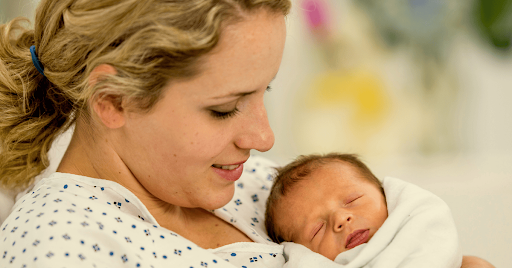
Newborns Under 3 Months Old
What to do: Call your pediatrician or go to the ER immediately for any fever of 100.4°F or higher. In this age group, a fever is always treated as a potential emergency until proven otherwise. Newborns can have serious bacterial infections, including sepsis and meningitis, without many outward signs beyond a fever.
Infants 3–6 Months Old
What to do: Call your pediatrician for any fever of 100.4°F or higher, or sooner if your baby seems unwell, even without a high reading. Fever in this group still warrants prompt evaluation, though it’s less automatically emergent than in a newborn.
Infants 6–24 Months Old
What to do: Call your pediatrician if a fever of 100.4°F or higher lasts more than one day, or sooner if accompanied by symptoms like a rash, difficulty breathing, unusual sleepiness, or if your child seems particularly unwell. If your child also has a cold, cough, or other symptoms, you may want to call sooner, depending on how sick they appear.
Children 2 Years and Older
What to do: Contact your pediatrician if a fever lasts more than 3 days (72 hours), climbs above 104°F, or if your child seems to be getting worse rather than better. Most fevers in school-age children without alarming symptoms can be monitored at home.
When to Call Your Pediatrician (Not the ER)
For situations that are concerning but not emergency-level (refer back to the list at the beginning of the article for emergency-level symptoms), calling your COPC pediatrician or using MyChart messaging is the right first move.
You don’t need to go to the ER for every fever. Situations where a call is appropriate include:
- Fever lasting more than 24 hours in a child under 2, or more than 72 hours in a child over 2
- Your child refuses fluids or is showing early signs of dehydration
- Your child has a sore throat, ear pain, or pain when urinating alongside the fever
- Your child has a separate chronic medical condition (asthma, heart condition, diabetes, immunodeficiency, etc.)
- The fever is not responding to fever-reducing medication (you’d expect a drop of about 1–2 degrees after a dose)
- You’re simply not sure, and you need someone to talk through it with
COPC has Pediatric Support Centers that are open after traditional office hours or on weekends. Patients can only be seen by appointment.
Call (614) 891-4705 to get in touch with COPC’s Pediatric Support Center after hours.
Note: Other than the guidelines for infants under 3 months old, there is no magic number that we would recommend sending a child to the ER. We often suggest first assessing for other significant symptoms (outlined in the first section of this article after the introduction) along with the temperature to determine if an ER visit is warranted.
What You Can Do at Home While You Monitor
If your child doesn’t meet the thresholds for an ER visit or a call with your pediatrician and is otherwise acting relatively normal, there are actions you can take while you’re at home. These include:
Fever-reducing medications are the primary tool in your at-home toolkit for managing a fever. Acetaminophen (Tylenol) is generally safe for all ages. Ibuprofen (Motrin, Advil) is typically safe for children 6 months and older, but should not be given to younger infants. Both should be dosed by your child’s weight, not their age. The medication’s packaging should give you a weight-based chart.
We often have parents tell us at COPC that they did not give their child fever-reducing medications before their appointment in the office because they “want us to see that they have a fever.”
If your child (over 4 months) is coming to see us for a fever, it is OK to give them a fever-reducing medication before the appointment. It is easier to examine a child who is comfortable and helps us make a more accurate diagnosis.
One important note: do not give aspirin to anyone under 18. Aspirin in children is linked to Reye’s syndrome, a rare but serious condition affecting the brain and liver.
Hydration is critical. Fever causes children to lose fluids faster than usual. Offer water, electrolyte drinks, ice pops, broth, or even juice to ensure your child is hydrated. The goal is to keep them drinking. Watch for signs of dehydration, which can include fewer wet diapers, no tears when crying, and a dry or sticky mouth.
Dress them lightly. Bundling a child with a fever in heavy blankets traps heat and can make things worse. Light clothing and a comfortable room temperature help the body regulate.
A lukewarm bath (not cold, not ice) can help bring temporary comfort. Cold water or ice is not recommended because it can cause shivering, which actually raises body temperature.
Rest. Keep them home from school or daycare until they’ve been fever-free for at least 24 hours without fever-reducing medication.
4 Common Fever Myths Addressed
Parents can carry a lot of fear about fevers. Some of it is well-founded, but you’ll be relieved to find out that much of it is not. Here are the most common misconceptions our pediatricians encounter.
Myth 1: A high fever means a serious infection.
COPC’s response: Not necessarily. We commonly see parents assume that a higher number on the thermometer equates to a more serious illness. The height of a fever is a poor predictor of severity. Some viral infections, like roseola, cause very high fevers in children who otherwise appear to be well. Meanwhile, some serious bacterial infections can produce only mild fevers or even below-normal temperatures. Again, how your child looks and acts is a far better indicator than the number.
Myth 2: Fevers above 104°F can cause brain damage.
COPC’s response: This is one of the most persistent and unfounded fears in pediatrics. Fevers caused by infection do not cause brain damage. Brain damage from heat only occurs at temperatures above 108°F (42°C). That kind of extreme hyperthermia happens in environmental emergencies, like a child left in a hot car, not from an ear infection or the flu.
Myth 3: You must treat every fever with medication.
COPC’s response: Fever is a sign that the immune system is working. If your child has a mild fever and is otherwise comfortable, active, and drinking, there is no medical requirement to treat it. The goal of fever-reducing medication is comfort, not elimination of the fever. If your child is miserable, not drinking, or unable to sleep, treating the fever makes sense. If they’re tired but otherwise okay, you can watch and wait.
Myth 4: Fevers cause seizures, and seizures are dangerous.
COPC’s response: Febrile seizures, which are seizures triggered by fever, affect only about 4% of children, and they are almost always harmless. They are frightening to witness, but the vast majority stop within five minutes and do not cause brain damage, developmental delays, learning disabilities, or epilepsy.
How to treat a febrile seizure: If your child has a febrile seizure, lie them on their side, do not put anything in their mouth, and call 911 if the seizure lasts more than five minutes or your child does not recover normally afterward.
A Quick Note on Fever After Vaccination
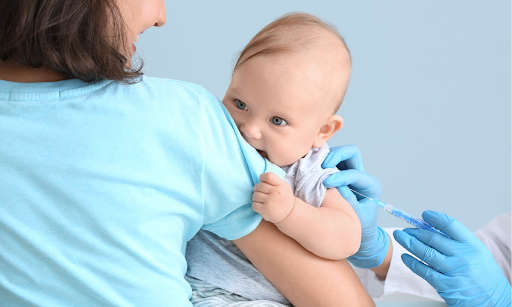
Some children develop a low-grade fever in the 24–48 hours after receiving a vaccine. This is a normal immune response and is not cause for concern.
Acetaminophen can be used for comfort. Ibuprofen is fine for children over 6 months. If a high fever develops more than 48 hours after a vaccine, or if your child seems very unwell, contact your pediatrician.
When in Doubt, Call Us
If you’re unsure about what to do, the best advice we can give as a primary care provider is to call your COPC pediatrician. Our team can help you decide whether your child needs to be seen, when, and where.
If your child is heading into cold and flu season with underlying health conditions, it’s also worth having a quick conversation at their next well-child visit about what your personalized thresholds should be.
To start that conversation, schedule a well-child visit or reach out to us through MyChart.
Sources
- American Academy of Pediatrics (AAP), When to Call the Pediatrician: Fever
- Mayo Clinic, Sick Baby? When to Seek Medical Attention, October 2024
- Cleveland Clinic, When to Take Your Child to the Hospital for a Fever, October 2024
- UC Davis Health, When to Be Concerned About Fevers in Children, January 2025
- Children’s Hospital of Orange County (CHOC), Fever Chart Guide: When to Go to the ER
- Children’s Hospital Colorado, Fever: Myths Versus Facts
- American Family Physician, Febrile Seizures: Risks, Evaluation, and Prognosis, April 2019
- American Academy of Pediatrics, Fact Checked: Febrile Seizures Do Not Cause Brain Damage
Disclaimer: This article is for informational purposes only and is not a substitute for medical advice. Always consult your child’s pediatrician for guidance specific to your child’s health history and situation.